Greece is famous for a rich and diverse cuisine that is awash with endless tasty dishes, which pull from its long history and diverse gamut of cultural influences. From sweet and sticky desserts to fresh salads packed with flavour and perfectly cooked meats to wholesome soups, there are all sorts of amazing dishes, all of which are jam-packed with incredible ingredients like yoghurts, distinct cheeses, perfectly vine-ripened vegetables and fruits, and more.
If you happen to find yourself in Kalamata, the colourful seaside city on the Peloponnese peninsula, there is one ingredient and food product that you need to get your hands on and try: the local Kalamata olive.
If you happen to find yourself in Kalamata, the colourful seaside city on the Peloponnese peninsula, there is one ingredient and food product that you need to get your hands on and try: the local Kalamata olive.
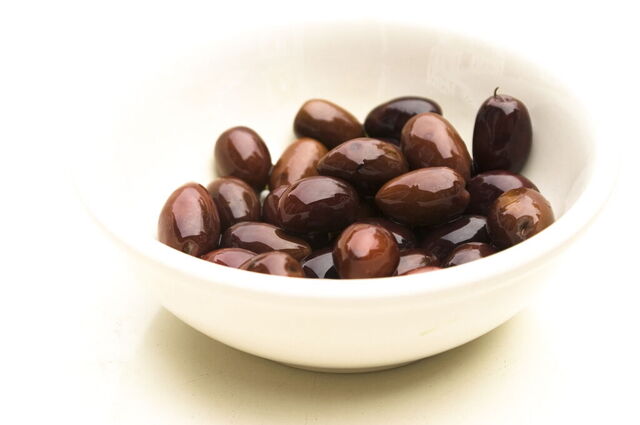
A large black or brown olive with a smooth, meaty texture, they are usually preserved in wine vinegar or olive oil and are protected with PDO status. If olives of the same variety are grown elsewhere they must be labelled as Kalamon olives, instead.
First they are hand-picked and then they are debittered by being placed in water or weak brine, which is changed daily, for around a week. Next, they are packed in brine and wine vinegar with a layer of olive oil and slices of lemon on top. A longer method involves slitting the olives and placing them in strong brine for up to three months to debitter them. After this, they still remain somewhat bitter and they are usually used as table olives.
If you are a foodie, interested in local produce and trying specialities from the places to which you travel, make sure to try the Kalamata olives out once you have found a vacation rental in Kalamata and are exploring the area and its cuisine.
First they are hand-picked and then they are debittered by being placed in water or weak brine, which is changed daily, for around a week. Next, they are packed in brine and wine vinegar with a layer of olive oil and slices of lemon on top. A longer method involves slitting the olives and placing them in strong brine for up to three months to debitter them. After this, they still remain somewhat bitter and they are usually used as table olives.
If you are a foodie, interested in local produce and trying specialities from the places to which you travel, make sure to try the Kalamata olives out once you have found a vacation rental in Kalamata and are exploring the area and its cuisine.
Photo credit: Gphoto / CC BY-SA 3.0