Tarragona Amphitheatre, Spain
Posted in: Architectural Gems Curiosities History Must See Attractions Tourist Attractions
This week, we were talking about the beautiful Catalonian city of Tarragona and one of her Medieval architectural gems. However, the city has much older roots than that and, therefore, there are some more ancient architectural gems that are also worth mentioning. One of these is the Amphitheatre. Located right by the coast and often home to recreation events of the gladiatorial games that once took place in the venue during Roman times, it is a fascinating monument to the city’s ancient past and a must-see for anyone who has found a vacation rental in Catalonia and is spending time exploring Tarragona.
Casa Castellarnau de Tarragona, interior
Posted in: Castles & Palaces Curiosities Museums & Galleries Must See Attractions Tourist Attractions
Casa Castellarnau de Tarragona is one of the few noble homes in the city of Tarragona that has been fully preserved to this day. It is a grand Catalan stately home that dates back to the early 15th century and is a fascinating beauty, filled with incredible antique furniture, objects, and works of art. Once the home of the powerful Castellarnau family, it is now the Museu d'Història de Tarragona, or History Museum of Tarragona. Showcasing 1700s and 1800s furniture & decorative objects in the setting of a stunning restored aristocratic residence, this inexpensive museum is a great place to go and step back through time for an afternoon while exploring the city.

Carrer Cavallers was the street on which all of the city’s noble families lived during the Middle Ages and this home, number 14, was built in the 15th century for one of these families. It has, however, undergone many different periods of restoration and refurbishment throughout the centuries, largely reflecting 18th and 19th century alterations today. In the 18th century the building was purchased by Carles de Castellarnau and under his direction there were significant changes made to both the façade and to the interior and layout of the building.
Posted in: Curiosities Food and Wine Must See Attractions
We have previously written about travel tips for those undertaking the famous Camino de Santiago, or Way of St. James, one of the most well-known hiking routes in the world, and an immense network of paths that connect to the shrine of the apostle Saint James the Great in the cathedral of Santiago de Compostela in Galicia, northwestern Spain, and which has been a popular pilgrimage and hiking route since all the way back in the Middle Ages. However, in this piece, we are focussing on one point along the route and something that might be a welcome surprise to those undertaking the hike: a wine fountain! So, if you have the Camino on your bucket list and have always wanted to do it for yourself, then just find a vacation rental in Galicia and finally do it! Whether you’re only doing a section of the walk or want to do various trips to highlights along the way, such as that aforementioned wine fountain, then don’t delay and get booking today!
Cheeses
Posted in: Curiosities Food Food and Wine Museums & Galleries Must See Attractions Products & Specialities Tourist Attractions
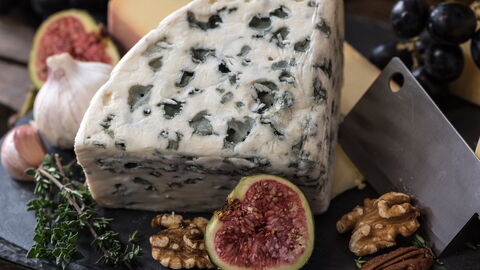
Spain loves a food product museum and there are various kinds that you will encounter located all around the country. However, one of the best of all of these museums is so appealing because the central star is well and truly the focus. We are, of course, talking about the MQM Museo del Queso Manchego in Toledo, which is less about the museum and far more about cheese. If you have found a vacation rental in Castille-la-Mancha and are spending time exploring Toledo and, in particular, exploring the culinary scene of the city, then you should definitely set aside some time to stop by.

Located in the heart of the historic quarter of Toledo, right next to the Cathedral, the Museo del Queso Manchego (or Museum of Manchego Cheese) was opened in the last few years and is dedicated to this traditional and ancient local cheese that is the city’s most well-known export. It is divided into three areas; a museum, a catas (or tasting) room, and a shop. The museum has an exhibition with audiovisual presentations, objects involved in cheesemaking throughout the centuries, and other Manchego cheese-related items, accompanied by information panels. This information is in Spanish so, if you don’t speak the language, you might not be able to glean as much from the exhibition. However, the items are still interesting to look at as part of the whole experience.
The Pink Panther had a few too many...
Posted in: Curiosities Food and Wine Recipes
One of the most important things to do upon landing in an area is to explore the culinary landscape as much as the geographic landscape. Outlining both famous and unique and unheard of local dishes and specialities to try out is key to any vacation. If you have found a
vacation rental in Barcelona, for example, you will find no shortage of delicious things to eat and drink. However, if you are planning on spending time in the Gothic Quarter of the city, then you should head to the Carrer de la Mercè, a street that runs through this lovely, historic, and scenic part of the city, and find yourself a Panther’s Milk.

Panther’s Milk, or Leche de Pantera in Spanish, is a popular cocktail made of condensed milk, gin, and water or ice, and was said to have been invented by the elite military unit, the

Spanish Foreign Legion, in the 1920s. There are several origin tales, one that says that the unit’s head and founder, General José Millán-Astray asked a local bartender to create a simple and cheap cocktail recipe that his men could make readily no matter where they were stationed, and another that claims injured soldiers birthed the drink by mixing medical-grade alcohol with condensed milk while confined to infirmaries, swapping the medical-grade alcohol out for gin or whatever alcohol they had on hand upon being released.