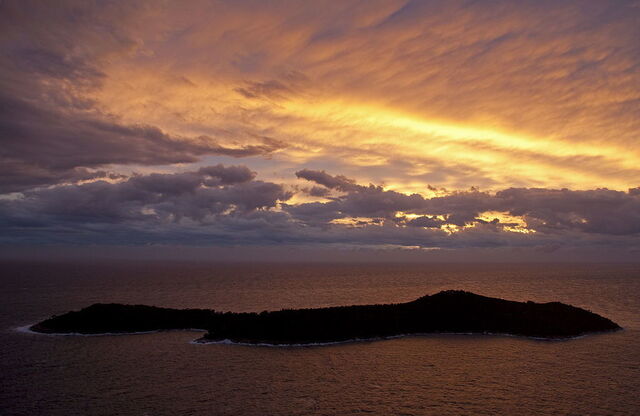
Lokrum is a Croatian island in the Adriatic Sea, just 600 metres off the coast of Dubrovnik. The first written record of the island comes from the 11th century when a Benedictine abbey and monastery were founded on the island and its name comes from their time on the island. The Benedictines began the tradition of planting exotic plants on the island and Lokrum comes from the Latin “acrumen”, meaning sour fruit.
Today the island is a natural paradise still dotted with lemons and oranges, that is a popular day-trip destination. Regular ferries depart from the Old City harbour in Dubrovnik and take visitors across to the island in just fifteen minutes. With a rich and fascinating history and an incredibly scenic setting, Lokrum is the perfect place to recharge your batteries once you have found a vacation rental in Dubrovnik and are a little tired from days of darting around the city.
Today the island is a natural paradise still dotted with lemons and oranges, that is a popular day-trip destination. Regular ferries depart from the Old City harbour in Dubrovnik and take visitors across to the island in just fifteen minutes. With a rich and fascinating history and an incredibly scenic setting, Lokrum is the perfect place to recharge your batteries once you have found a vacation rental in Dubrovnik and are a little tired from days of darting around the city.
Legend has it that, after the Third Crusade, legendary English King Richard the Lionheart was invited to visit Dubrovnik. When he was caught in a terrible storm on the journey there, he swore that he would build a church wherever he set foot on land first and tis so happened to be Lokrum. The people of Dubrovnik asked to borrow the money intended for this church to help in the building of their Cathedral, with the promise that they would later keep his promise and build a church on the island, later paying for the Church of the Blessed Virgin to be built on Lokrum themselves.
Another island legend relates to the Benedictines and how they were summarily removed from their home when, after an earthquake in the 17th century, the people of the Republic suggested that the island be sold and the money used to support the monastery be spent where it was so direly needed elsewhere. It was then sold on to private buyers at the beginning of the 19th century and came into the hands of Maximillian Habsburg, future Emperor of Mexico who built a summer residence on the site of the former Benedictine monastery, destroying many cultural and historical remnants and completely altering the interior of the building. Since then, the island is said to be cursed.
Another island legend relates to the Benedictines and how they were summarily removed from their home when, after an earthquake in the 17th century, the people of the Republic suggested that the island be sold and the money used to support the monastery be spent where it was so direly needed elsewhere. It was then sold on to private buyers at the beginning of the 19th century and came into the hands of Maximillian Habsburg, future Emperor of Mexico who built a summer residence on the site of the former Benedictine monastery, destroying many cultural and historical remnants and completely altering the interior of the building. Since then, the island is said to be cursed.
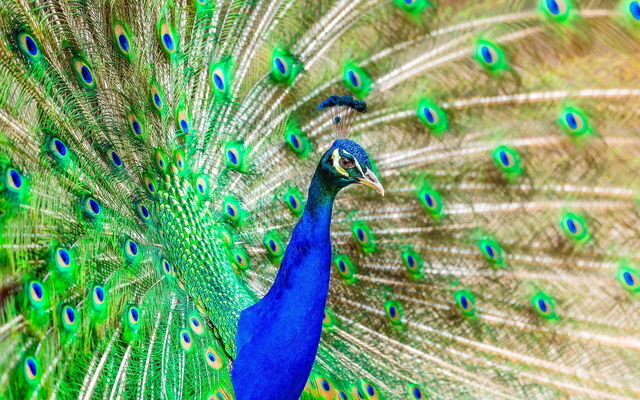
Other attractions include Lokrum's Dead Sea, a pond formed by centuries of storms and the specific formation of the island's rocky shoreline (it is filled by waves surging along the beach and pouring into a cave that is connected by underground channels to the pond); the UNESCO-awarded subtropical forest full of pine, cypress and olive trees; the Botanical Garden founded in 1959 with its native and imported, tropical and subtropical plants, other vegetation originating from Australia and South America and families of peacocks; and swimming along the coast.
A wonderful gem in Croatia, Lokrum is the destination par excellence for nature-lovers exploring Dubrovnik who might need a break from the city for a little while.
A wonderful gem in Croatia, Lokrum is the destination par excellence for nature-lovers exploring Dubrovnik who might need a break from the city for a little while.
Photo credits
Picture 1: Tony Hisgett / CC BY 2.0
Picture 1: Tony Hisgett / CC BY 2.0