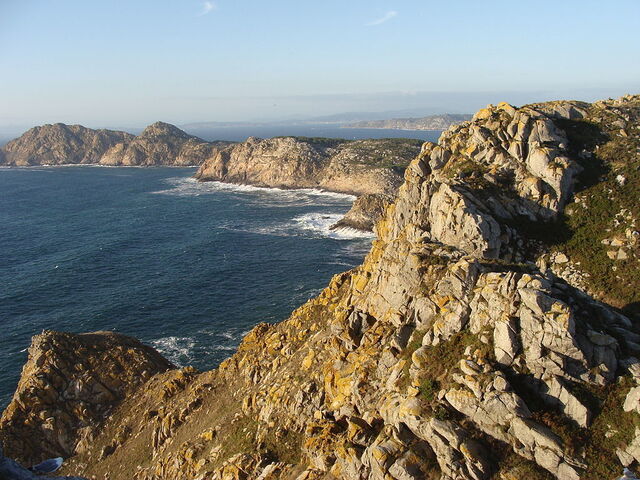
It is a bit of a pain to get to the Cíes Islands in Galicia and yet they are reason enough to immediately go find a vacation rental in Galicia and plan a trip to this part of Spain. Often cited as the most beautiful islands in Europe, this archipelago is made up of three islands – Monteagudo (the "Sharp Mount" or North Island), do Faro (the Lighthouse Island, or Isla do Medio, meaning Middle Island) and San Martiño (Saint Martin or South Island) – that are located off the coast of Pontevedra in Galicia. Declared a Nature Reserve in 1980, they are a part of the Atlantic Islands of the Galicia National Park (Parque Nacional Marítimo-Terrestre das Illas Atlánticas de Galicia) that was created in 2002. It is an exceptionally peaceful and utterly stunning place with picture-perfect beaches, incredible scenery, and a complete absence of hotels, souvenir stores, and developments as well as no vehicles of any description (bar the odd maintenance vehicle). If you're looking for a place where the majesty and beauty of nature remains almost completely untouched by man then it is the destination for you.
However there are a few points to keep in mind:
1. You need authorisation to visit.
In saying that the islands are a pain to get to, it isn't actually that difficult. They are, however, highly protected in order to ensure they remain untouched and lovely and this means that there are restrictions for visitors. A total of just 2,000 people are allowed to visit per day and you must request permission in order to do so. Head to the park's official website and complete the form and then book your transport ticket. You can do so up to 45 days in advance of your visit although this period can be shorter during the low season. Be sure to get on this in advance or you might miss out! In order to book a ferry, you will need an authorisation code so there is no way around it and you will also only have two hours upon receiving your authorisation to book with any of the official ferry companies that offer services to the islands. If you want to visit this magical oasis, you will need to be organised and be ready to set aside a day during your trip and plan well ahead.
However there are a few points to keep in mind:
1. You need authorisation to visit.
In saying that the islands are a pain to get to, it isn't actually that difficult. They are, however, highly protected in order to ensure they remain untouched and lovely and this means that there are restrictions for visitors. A total of just 2,000 people are allowed to visit per day and you must request permission in order to do so. Head to the park's official website and complete the form and then book your transport ticket. You can do so up to 45 days in advance of your visit although this period can be shorter during the low season. Be sure to get on this in advance or you might miss out! In order to book a ferry, you will need an authorisation code so there is no way around it and you will also only have two hours upon receiving your authorisation to book with any of the official ferry companies that offer services to the islands. If you want to visit this magical oasis, you will need to be organised and be ready to set aside a day during your trip and plan well ahead.
2. What to know about the ferries.
Ferries to the Cíes Islands leave from Vigo, Baiona and Cangas, with more daily trips departing from Vigo and more options there. These ferries will only get you to Monteagudo and Faro and will offer two-way tickets with times specified that must be honoured by users. Be sure to get there well in time before each departure as they are not announced, won't wait, and will charge you for a new ticket if you miss your ferry. Animals bar guide dogs are not allowed on the islands and similarly, as noted before, all vehicles are banned, including bikes. Wheelchairs are, of course, permitted.
3. When to visit?
You can visit whenever you like as long as you get the authorisation. The restricted numbers mean that the Cíes Islands will never be crowded but these precious places will be harder to get your hands on during the peak summer months when more tourists will be in the area and eager to pay a visit. More reason to book your vacation rental in Galicia asap and plan your visit in advance to ensure your place!
Ferries to the Cíes Islands leave from Vigo, Baiona and Cangas, with more daily trips departing from Vigo and more options there. These ferries will only get you to Monteagudo and Faro and will offer two-way tickets with times specified that must be honoured by users. Be sure to get there well in time before each departure as they are not announced, won't wait, and will charge you for a new ticket if you miss your ferry. Animals bar guide dogs are not allowed on the islands and similarly, as noted before, all vehicles are banned, including bikes. Wheelchairs are, of course, permitted.
3. When to visit?
You can visit whenever you like as long as you get the authorisation. The restricted numbers mean that the Cíes Islands will never be crowded but these precious places will be harder to get your hands on during the peak summer months when more tourists will be in the area and eager to pay a visit. More reason to book your vacation rental in Galicia asap and plan your visit in advance to ensure your place!
4. Other key information for visitors.
In addition to all of this, the protection of the islands means that it hasn't been built up at all. As such, visitors will need to bring their own food and water. There are no fountains located around the islands and no natural fresh water sources to be found. There are only four places to buy food or drinks on the entire group of islands; the three bars/restaurants and the one supermarket at the camping site. The bars close during the low season, too, so they won't be an option and, depending on what you're interested in doing and where you are going to be exploring, none of these places might be near you as you make your way around and work up a thirst/appetite. Be sure not to get caught out and bring your own supplies! Also, you must be ready to take all of your rubbish with you as there are no bins on the islands and littering is a serious offense. Once again, this is a precious and protected nature reserve and should be treated accordingly.
5. What to see and do on the islands?
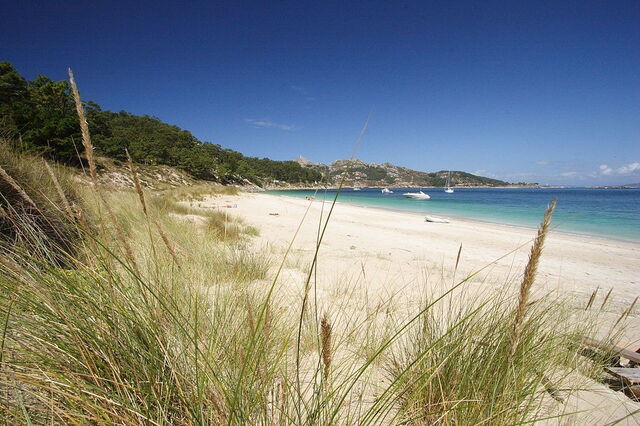
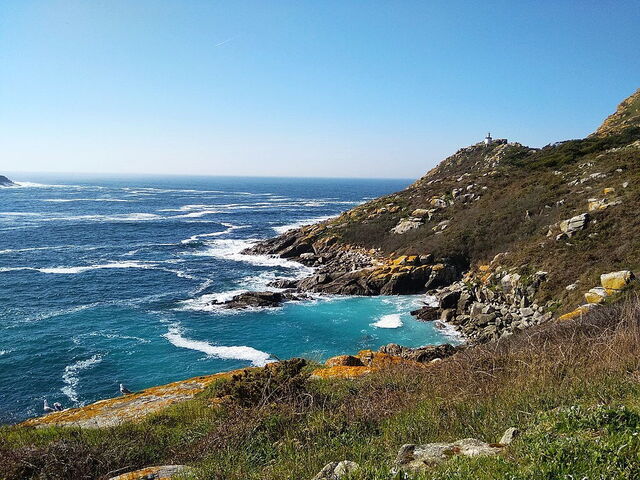
So, you do have to plan and think about everything in advance but if you have prepared everything accordingly then there is no real difficulty in getting to the Cíes Islands and it is well worth it all! The beautiful islands make up for any complications in planning a visit in spades with their nine stunning sandy beaches lapped by the most perfectly crystal clear azure waters. Of these nine, one of them, Rodas, has been called the “most beautiful beach in the world” and there is also a popular nudist beach, Figueiras. However, if you're looking for a more intimate and private beach experience, the other seven are equally charming in their own ways. There are also four different hiking routes if you are interested in seeing more of the incredible landscapes and scenery of the islands and working up a sweat. Some encounter steep slopes but the views from on top are extraordinary. Bird-watching, taking in various flora and fauna, kayaking, snorkelling, and guided tours are also all available on the islands with information on these activities available through the ferry companies and camping site.
Truly magical and utterly stunning the Cíes Islands are something very special indeed and a must-see for nature-lovers and adventurers who have found a holiday rental in Galicia and are planning a trip to this part of Spain.
In addition to all of this, the protection of the islands means that it hasn't been built up at all. As such, visitors will need to bring their own food and water. There are no fountains located around the islands and no natural fresh water sources to be found. There are only four places to buy food or drinks on the entire group of islands; the three bars/restaurants and the one supermarket at the camping site. The bars close during the low season, too, so they won't be an option and, depending on what you're interested in doing and where you are going to be exploring, none of these places might be near you as you make your way around and work up a thirst/appetite. Be sure not to get caught out and bring your own supplies! Also, you must be ready to take all of your rubbish with you as there are no bins on the islands and littering is a serious offense. Once again, this is a precious and protected nature reserve and should be treated accordingly.
5. What to see and do on the islands?
So, you do have to plan and think about everything in advance but if you have prepared everything accordingly then there is no real difficulty in getting to the Cíes Islands and it is well worth it all! The beautiful islands make up for any complications in planning a visit in spades with their nine stunning sandy beaches lapped by the most perfectly crystal clear azure waters. Of these nine, one of them, Rodas, has been called the “most beautiful beach in the world” and there is also a popular nudist beach, Figueiras. However, if you're looking for a more intimate and private beach experience, the other seven are equally charming in their own ways. There are also four different hiking routes if you are interested in seeing more of the incredible landscapes and scenery of the islands and working up a sweat. Some encounter steep slopes but the views from on top are extraordinary. Bird-watching, taking in various flora and fauna, kayaking, snorkelling, and guided tours are also all available on the islands with information on these activities available through the ferry companies and camping site.
Truly magical and utterly stunning the Cíes Islands are something very special indeed and a must-see for nature-lovers and adventurers who have found a holiday rental in Galicia and are planning a trip to this part of Spain.
Photo credits
Picture 1: Drow male / CC BY-SA 4.0;
Picture 2: Javier Albertos / CC BY-SA 4.0;
Picture 3: Maria zaos / CC BY-SA 4.0
Picture 1: Drow male / CC BY-SA 4.0;
Picture 2: Javier Albertos / CC BY-SA 4.0;
Picture 3: Maria zaos / CC BY-SA 4.0