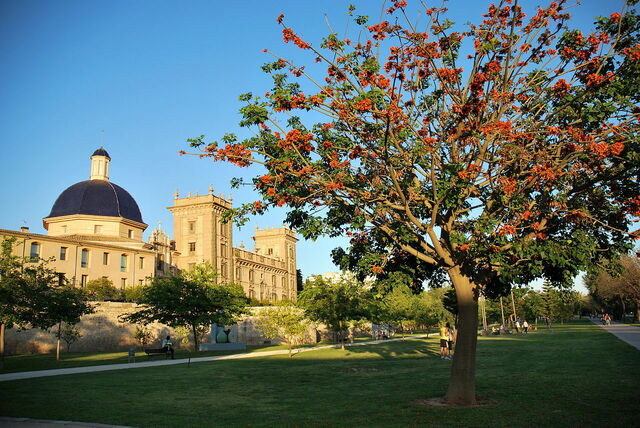
A villa in Valencia is just the thing for those looking to plan a perfect sun holiday in Spain or an idyllic sun-drenched getaway, in general. However, while the beaches and seaside resorts and party towns of Valencia are famous around the globe and present many brilliant reasons to plan a vacation in the area, there is much more to the region. Steeped in history that stretches back millennia, with reminders and leftovers dotted throughout the rich cultural heritage of the region from the various peoples who have lived there at various points throughout the centuries (including the Celts, Romans, Moors, and more), there are endless fascinating tourist attractions to visit. From extravagant palaces to lush parks, elaborate fountains to pretty churches, and architectural gems to incredible galleries, culture vultures who find a villa in Valencia will quickly realise that there is plenty to enrich the mind and lots of stunning places to nip into for a few hours and shelter from the hottest part of the day. Among such tourist attractions, one that is an absolute must for art-lovers, in particular, is the Museu de Belles Arts de València, or the Museum of Fine Arts of Valencia, in the city of Valencia.
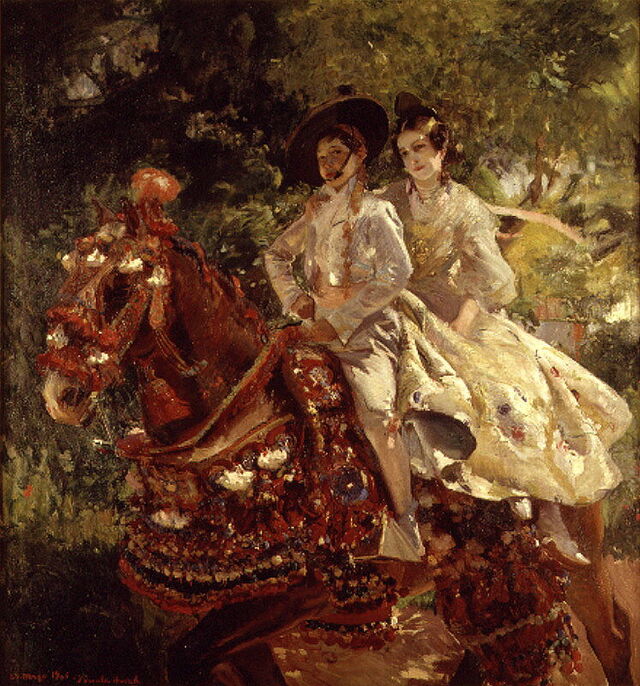
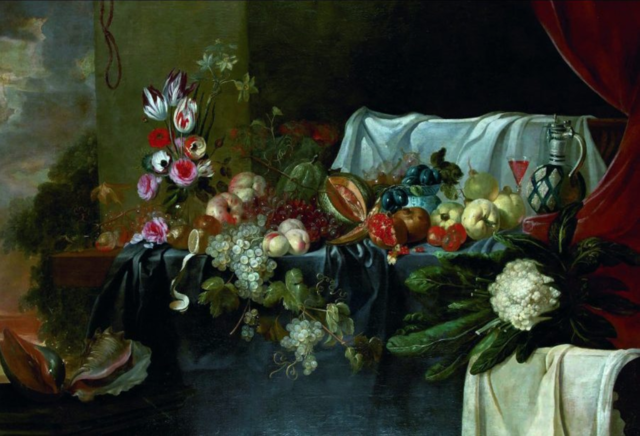
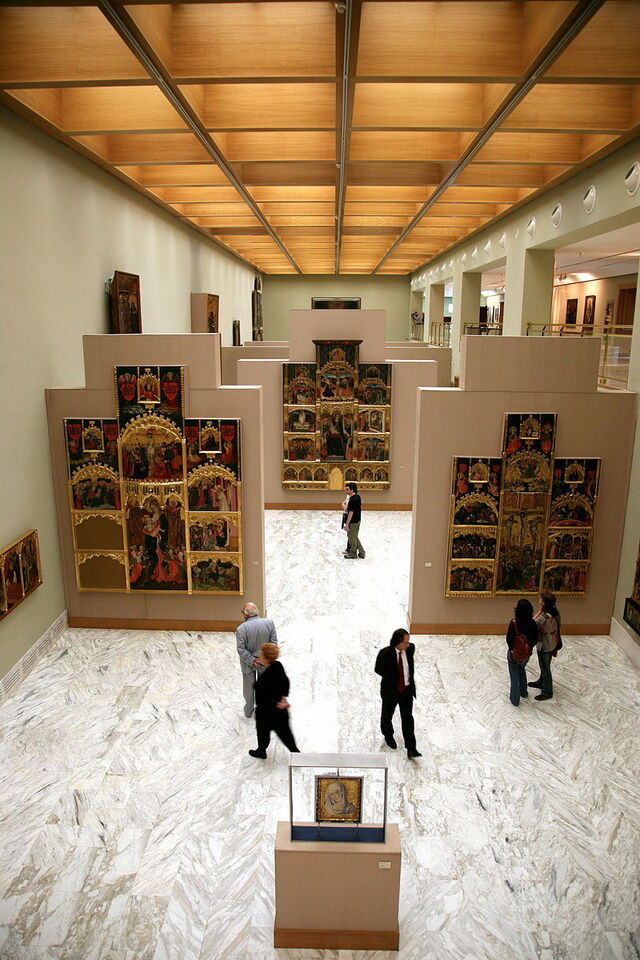
The Museu de Belles Arts de València is located in a storied and especially pretty building, the St. Pius V Palace right in the centre of the city, which is also home to museums dedicated to sculpture, decorative arts, and archaeology. With an incredibly important collection of Valencian Masters, it was also one of the first museums of painting to be established in Spain and remains the best place to see a great overview of painting in the region throughout the centuries - one more reason to book a holiday in Valencia today. Housing some 2,000 works, the majority of which date from the 14th to the 17th centuries, the richest part of the collection is the large number of Gothic panels dating from the 14th to the 15th century though there are many other highlights including a self-portrait of Diego Velázquez, a St. John the Baptist by El Greco, Goya's Playing Children, Gonzalo Pérez's Altarpiece of Saint. Ursula, Martin, and Antony, a Madonna with Writing Child and Bishop by the Italian Renaissance master Pinturicchio, and a sizeable number of engravings by Giovan Battista Piranesi.
Originally a college for the training of priests, the St. Pius V Palace is a rather extraordinary architectural gem that is worth visiting in its own right. Founded by Archbishop Juan Tomás de Rocabertí, the building was first planned by the Valencian Baroque architect Juan Pérez Castiel in 1683 but construction was long delayed and the project did not begin until well into the 18th century. Made up of two parts, the school and the temple, the school is built on a quadrangular floor plan arranged around a cloister and the attached temple on an octagonal floor plan that rises into a beautiful large blue glazed tile dome. Demolished in 1925, the dome was later rebuilt. The façade is similarly impressive; the work of José Mínguez, it extends over two floors, with projecting pilasters and a curvilinear pediment to cap it that clearly marks the passing of time and the stylistic transition from the Baroque to Neoclassicism.
After serving its function as a seminary, the building came to house a charity between 1820 and 1826 before being acquired by the state in 1835. It was then used as a warehouse for army supplies and then became a military hospital during the Civil War. The Museum was then established in 1913 by royal decree, with the collections officially separated out from that of the Royal Academy of Fine Arts of San Carlos but during the Civil War part of the collections were sent to be kept in the Prado Museum in Madrid. Once the war was over, D. Manuel González Martí, director of the Museum, gathered funds and prepared to re-establish the museum. The old Convent of Carmen Calzado, in which it had previously been housed had been too badly damaged and, though there were intentions at one point to repair it to rehouse the collection, the museum ultimately found a new home in the former Colegio Seminario de San Pío V.
Though Valencian painting from the 14th to the 17th centuries and the altarpiece panels do, indeed, make up the majority of the collection of this fascinating museum, there are also representative works in the collection from Neoclassical painters, some pieces from the 19th and 20th centuries, and the collection of works on paper which amounts to around 10,000 pieces, though many of these are fragile and are normally carefully tucked away in storage unless on display as part of temporary exhibitions being showcased in the museum. In the other museums and collections housed in the palace, you will find other intriguing pieces including: sculpted works from the Middle Ages to the 19th century in the sculpture pavilion; Iberian, Roman, and Islamic artefacts in the archaeological collection; and a decorative arts collection with furniture, glass, ceramics, textiles, and metal pieces from throughout the centuries.
Located inside a beautiful gem of a building, rich in history, with lovely grounds, and housing several other wonderful museums inside the same premises, the Museu de Belles Arts de València is an incredible cultural hotspot and amazing tourist attraction that is a must for anyone who finds a vacation rental in Valencia and is in search of the best ways to get acquainted with the history and culture of this region in Spain – even better, it’s free to visit!
Museu de Belles Arts de València
Carrer de Sant Pius V, 9, 46010 València, Valencia
+34 963 87 03 00
museobellasartesvalencia@gva.es
Opening hours:
Closed on Mondays, January 1st, and December 25th.
Tuesday-Sunday, 10am to 8pm
December 24th and 31st, 10am to 2pm.
Tickets:
Free entry.
Picture 1 Toutaitanous / CC BY-SA 3.0;
Picture 4 Vincent Desjardins / CC BY 2.0