Many imagine indoor spaces when thinking of a vacation in Florence: museums, boutiques, palaces, churches, restaurants, cafes, bars, and more. However, if you have found a villa in Florence and are spending some time exploring the birthplace of the Renaissance and the capital of Tuscany, you will quickly find that the outdoor space of Florence are equally captivating and impressive. The palaces that are dotted throughout the city often still have beautiful and historic gardens that can be visited, piazzas are lined with cafes for coffee-sipping and people watching and house lively markets at certain days and times of the week, the ancient streets are full of things to see with architectural and artistic gems framing your vision as you walk about, and there are endless parks, walks, and more to be explored. One of the most beautiful of all of these outdoor spaces in Florence, however, has to be the Parco delle Cascine, or Cascine Park.
Cascine Park is located along the north bank of the Arno and stretches from the centre of the city to where the Mugnon and Arno meet. Stretching over a whopping 160 hectares (or 395 acres), the park dates back to 1563, when Cosimo I de' Medici created the space as a farming and hunting estate for the ruling Medici family. In fact, the name of the park itself comes from the old Italian work, “cascio,” which means bovine livestock from which the production of butter and cheese is intended.
Cascine Park is located along the north bank of the Arno and stretches from the centre of the city to where the Mugnon and Arno meet. Stretching over a whopping 160 hectares (or 395 acres), the park dates back to 1563, when Cosimo I de' Medici created the space as a farming and hunting estate for the ruling Medici family. In fact, the name of the park itself comes from the old Italian work, “cascio,” which means bovine livestock from which the production of butter and cheese is intended.
As it was a space owned by and for the powerful Medici family, the park was carefully tended and became home to incredibly rare and exotic plant species, enriching this amazing area greatly. It was not until the 19th century, however, that Cascine Park was opened to the public. Acquired by the Municipality of Florence in 1869 and renovated under the architect Felice Francolini, the park was finally opened so that the citizens of Florence could freely enjoy this wonderful gem.
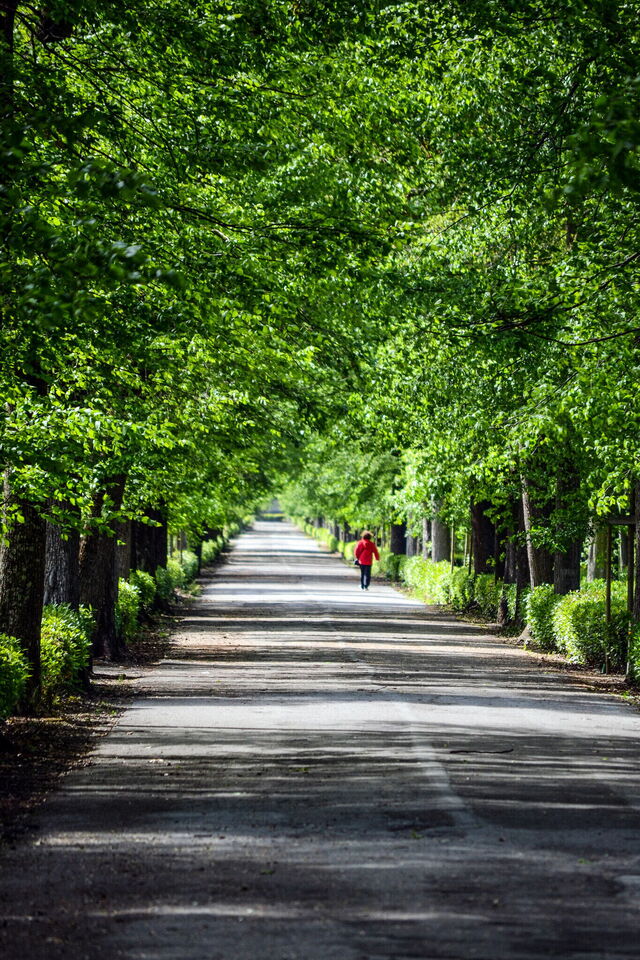
Today, the park is home to various meadows, wooded areas, fountains, walks, gardens, squares, statues, monuments, and little buildings. Various sports clubs also have fields and centres on the grounds and there is a swimming pool, a visitor's centre, police offices, and more. If you have found a villa in Florence and are looking for somewhere to walk, relax with a good book and a picnic, trees offering shade from the sun, flowers to admire, interesting follies, statues, and more, then this gem in Tuscany is just the place to spend some time enjoying a bit of the great outdoors amidst the chaos and excitement of this cultural capital. Plus, if you visit on a Tuesday morning, you'll find the biggest and best value market in the city where you can grab everything from used clothes to fresh fruit and veg to plants.
Today, the park is home to various meadows, wooded areas, fountains, walks, gardens, squares, statues, monuments, and little buildings. Various sports clubs also have fields and centres on the grounds and there is a swimming pool, a visitor's centre, police offices, and more. If you have found a villa in Florence and are looking for somewhere to walk, relax with a good book and a picnic, trees offering shade from the sun, flowers to admire, interesting follies, statues, and more, then this gem in Tuscany is just the place to spend some time enjoying a bit of the great outdoors amidst the chaos and excitement of this cultural capital. Plus, if you visit on a Tuesday morning, you'll find the biggest and best value market in the city where you can grab everything from used clothes to fresh fruit and veg to plants.
Photo credit: Luca Daviddi / CC BY-SA 2.0