For art-lovers looking to holiday in Spain, a villa in Madrid is always an excellent idea. The city is a serious cultural hub, steeped in history, full of architectural gems and churches stuffed with incredible works of art, and is home to many brilliant museums. The incomparable scale and quality of the collections of the world-renowned Prado Museum are, of course, a must-see but there are several others wonderful galleries and museums located across Madrid. Among them, the Thyssen-Bornemisza Museum, often referred to merely as the Thyssen, is particularly noteworthy and another key example to include in an itinerary of the city if you have a passion for art.
Located only a short walking distance from the better-known and aforementioned Prado, the Thyssen (or Museo Nacional Thyssen-Bornemisza) is part of the so-called, "Golden Triangle of Art", which is comprised of it and the Prado and Reina Sofia national galleries. Filling in the gaps of the other two museums' collections quite nicely, the Thyssen's holdings are vast and it was even once the largest private collection after the British Royal Collection, boasting a whopping 1,600 paintings.
Located only a short walking distance from the better-known and aforementioned Prado, the Thyssen (or Museo Nacional Thyssen-Bornemisza) is part of the so-called, "Golden Triangle of Art", which is comprised of it and the Prado and Reina Sofia national galleries. Filling in the gaps of the other two museums' collections quite nicely, the Thyssen's holdings are vast and it was even once the largest private collection after the British Royal Collection, boasting a whopping 1,600 paintings.
The origins of the Thyssen Museum date back to the 1920s when Heinrich, Baron Thyssen-Bornemisza de Kászon, began accumulating a collection of works from wealthy American owners who were forced to sell their holdings during the Great Depression. This saw the baron return the works of many old masters to Europe including pieces such as Ghirlandaio's portrait of Giovanna Tornabuoni and Carpaccio's Knight. His son, Baron Hans Heinrich Thyssen-Bornemisza then further expanded the collection by acquiring a large number and wide variety of additional works of art from works of Gothic art to pieces by Lucien Freud.
First housed in the family estate in Lugano , Switzerland, in a building modelled after the Neue Pinakothek in Munich, the collection quickly outgrew the space. As a result, they were forced to think of expansion and made a request to extend the building in 1988. Unfortunately, the Lugano City Council rejected this request. The Baron's Spanish wife, Carmen Cervera, who he had married a few years previously suggested that he relocate the core of the collection to a building that the local government had available near the Prado in Madrid instead. As a result, the Thyssen Museum was opened in 1992 with a collection of 715 works on display. The Spanish Government then bought 775 works and Cervera loaned 429 works from her own art collection to the museum. She remains involved with the gallery to this day.
First housed in the family estate in Lugano , Switzerland, in a building modelled after the Neue Pinakothek in Munich, the collection quickly outgrew the space. As a result, they were forced to think of expansion and made a request to extend the building in 1988. Unfortunately, the Lugano City Council rejected this request. The Baron's Spanish wife, Carmen Cervera, who he had married a few years previously suggested that he relocate the core of the collection to a building that the local government had available near the Prado in Madrid instead. As a result, the Thyssen Museum was opened in 1992 with a collection of 715 works on display. The Spanish Government then bought 775 works and Cervera loaned 429 works from her own art collection to the museum. She remains involved with the gallery to this day.
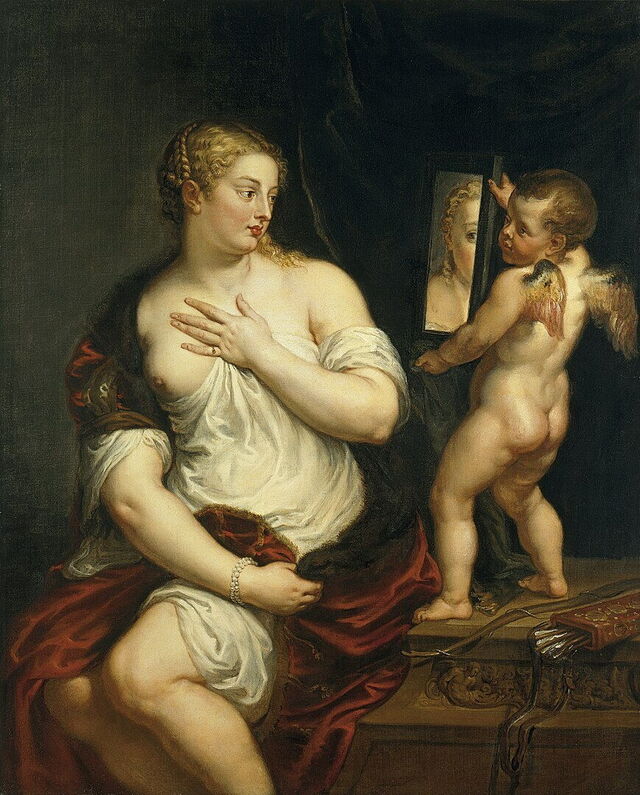
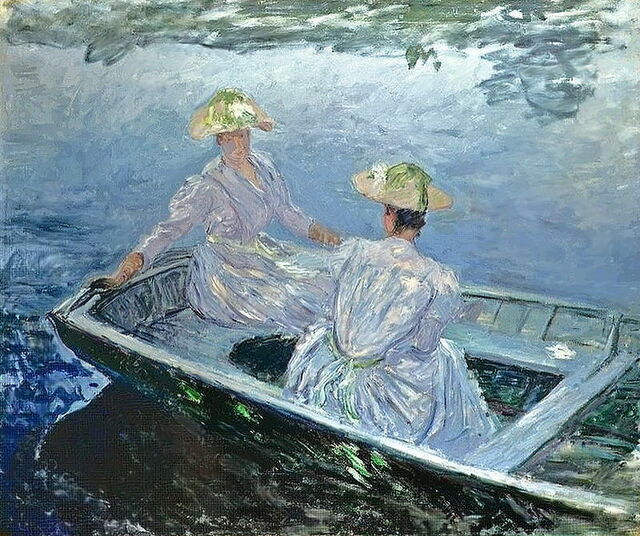
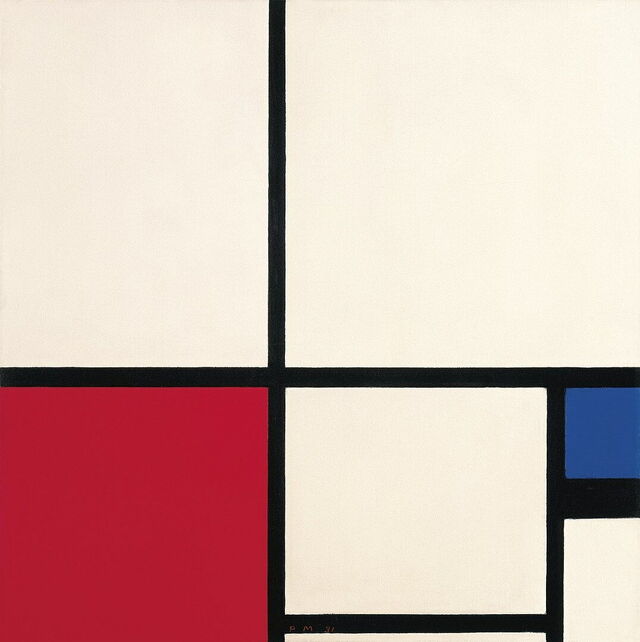
The resulting collection that has been created from these loans and purchases is rather diverse and exceptional and boasts a series of highlights from over 800 years of European painting. From the period of Early European painting there are 14th and 15th-century religious works by the likes of Duccio and Uccello and early Flemish and Dutch masters such as Jan van Eyck, Rogier van der Weyden, Gerard David, and Hans Memling. Later masters from the Renaissance, Baroque, and Rococo periods include Antonello da Messina, Fra Bartolomeo, Giovanni Bellini, Titian, Tintoretto, Veronese, Albrecht Dürer, Lucas Cranach the Elder, Hans Holbein, Caravaggio, Rubens, Van Dyck, Rembrandt, Canaletto, Watteau, François Boucher, and Gainsborough. Among renowned names of North American painting from the 18th and 19th centuries there are pieces by Copley, Winslow Homer, and John Singer Sargent and of European painting of the 19th and 20th centuries there are works by Francisco Goya, Thomas Lawrence, Delacroix, Géricault, Corot and Courbet, Claude Monet, Auguste Renoir, Edgar Degas, Camille Pissarro, Alfred Sisley, Toulouse-Lautrec, Paul Gauguin, Cézanne, Vincent van Gogh, Picasso, Braque, Edvard Munch, Kandinsky, Salvador Dalí, Paul Klee, Chagall, Magritte, Piet Mondrian, Roy Lichtenstein, Willem De Kooning, and Francis Bacon. Finally, there is a particularly rich collection of examples of works by the German Expressionists, including Emil Nolde, Ernst Ludwig Kirchner, August Macke, Max Beckmann, George Grosz, and Otto Dix. In addition to the impossibly rich permanent collection, the Thyssen also regularly plays host to special temporary exhibitions of other artists or thematic curations that are also incredibly fascinating.
As one can clearly see from the list above, many of the most important names from the history of western art are represented by the collection and the ability to see them all together under one roof is a truly extraordinary privilege and experience, which gives you just one more reason to find a vacation rental in Madrid and then come discover this cultural gem in Spain if you are a serious art-lover who is planning your next vacation!
Museo Nacional Thyssen-Bornemisza
Paseo del Prado, 8
28014 Madrid
+34 91 791 13 70
Opening hours:
Monday – 12pm to 4pm
Tuesday to Sunday – 10am to 7pm
Opening hours are extended each summer between the 1st of June and the 8th of August.
On the 24th and 31st of December the Museum is open from 10am to 3pm.
The Museum is closed on the 1st of January, 1st of May and 25th of December.
Tickets:
Adults (allows access to both permanent and temporary exhibitions), €13.00
Visitors over 65 and pensioners, €9.00
Students, €9.00
Children (under 18 years of age + children under 12 must be accompanied by an adult), Free
Discounts for groups of six or more.
Please note that photographic identification (passport, ID card, etc) and/or proof of qualification for concessions such as student card or pensioner's card will be required in order to avail of the reduced fees.