Split is a beautiful seaside city set on the dramatic and picturesque Adriatic Coast with its turquoise, glittering waters and craggy cliffs and mountains and is home to incredible Roman ruins from long ago. It is, however, in no way stuck in the past and is a buzzing, vibrant place with a very active nightlife, incredible restaurants, and lots to see and do. So, if you’re looking for a holiday full of fun, sun, and excitement, then a vacation rental in Split is a good idea.
Split is also home to some great cultural gems including the incredible Ivan Meštrović Gallery (or Galerija Meštrović). Dedicated to the life and work of the 20th-century sculptor, Ivan Meštrović, the building rises like a sacred temple atop a hillside overlooking the coast. The building, in fact, looks rather like a temple due to its iconic and beautiful design, that features a long façade, reached atop a flight of stone stairs built into the hillside, with two three-bay wings flanking a central unit fronted by a portico with Ionic order columns. Above the portico there is a terrace that takes in those incredible views over the coast. Inside, the building is home to large, bright, airy rooms that house the most significant works of Meštrović, including sculptures, drawings, designs, furniture and architectural plans.

21
Feb
2020
2020
Posted in: Architectural Gems
Curiosities
Museums & Galleries
Must See Attractions
Parks & Gardens
Pretty Views
Tourist Attractions
Croatia is a famously popular holiday destination, particularly for those in search of sun, sea, and fun, as it has a long and incredibly beautiful coastline dotted by lots of amazing resorts and seaside towns. Many of these towns are slick and chic and filled with modern developments and villas but there are some older and more historic settlements among them. In particular, one of the most beautiful and intriguing seaside resorts is Opatija, which was a popular coastal getaway and fashionable resort in the 19th century and remains filled with stunning Habsburg-era villas to this day.
Opatija is a pretty and charming little gem that was in a bit of a decline for a long time but has been since revived in the last decade or so and now regularly draws a largely mature audience for its grand spa hotels, incredible location along the Adriatic, climate that supports pleasant weather for trips pretty much all throughout the year, and its famous Lungomare promenade that hugs the coast and offers wonderful views over the town and neighbouring islands. If you’re looking for peace, relaxation, a perfect seaside escape, and very pretty surroundings, a vacation rental in Opatija is an excellent idea.
During your time in Opatija, between swimming in little bays (as there aren’t real beaches to speak of), wandering the promenade, dining in the city’s brilliant restaurants, watching the sun set over the coast, and generally just kicking back and relaxing, you should probably head to the Villa Angiolina at some stage, which is the Croatian Museum of Tourism and the only traditional tourist attraction to speak of in the town.
Opatija is a pretty and charming little gem that was in a bit of a decline for a long time but has been since revived in the last decade or so and now regularly draws a largely mature audience for its grand spa hotels, incredible location along the Adriatic, climate that supports pleasant weather for trips pretty much all throughout the year, and its famous Lungomare promenade that hugs the coast and offers wonderful views over the town and neighbouring islands. If you’re looking for peace, relaxation, a perfect seaside escape, and very pretty surroundings, a vacation rental in Opatija is an excellent idea.
During your time in Opatija, between swimming in little bays (as there aren’t real beaches to speak of), wandering the promenade, dining in the city’s brilliant restaurants, watching the sun set over the coast, and generally just kicking back and relaxing, you should probably head to the Villa Angiolina at some stage, which is the Croatian Museum of Tourism and the only traditional tourist attraction to speak of in the town.
10
Feb
2020
2020
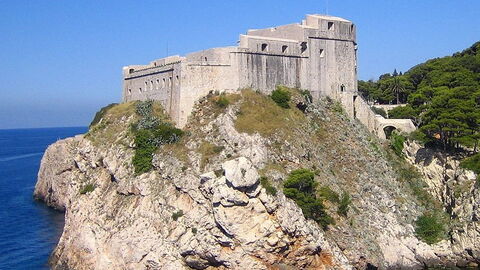
“Game of Thrones,” fans likely already have Dubrovnik on their bucket lists as a holiday destination in Croatia as it is famously where much of the scenes set in some of the warmer climes of the show were filmed. Browse our vacation rentals in Dubrovnik now and you can get a taste of what it would be like to step into the fantastical world of the show! Once you're there, you can take various tours that have been set up by local tourism groups and companies and which bring you to all of the sites used in the filming of, “Game of Thrones,” but you can also just look them up and visit at your own pace and at your leisure. If you are going for the latter option, then you definitely need to pencil in a visit to Lovrijenac.
Lovrijenac, Fort Lovrijenac, or St Lawrence's Fortress is a fascinating old building that has had two main purposes throughout its existence: as a fortress and as a theatre. Often called Dubrovnik's Gibraltar, it is first recorded in a document discussing a vote for the Commander of the Fort by the local council in 1301. Chronologists, however, reckon that the construction of the fort actually dates to sometime between 1018 and 1038. Neighbouring Venetian forces were constantly trying to invade the city and a story from the 11th century states that they planned to claim the site on which the fort now stands and build a fortress that would help their attempts to conquer Dubrovnik. Instead, the city, upon hearing of this plan, quickly mobilised her citizens and built their own fortress instead before the Venetians could get to it. One can only imagine their surprise to encounter a building already on the site that they had hand-picked for themselves!
Lovrijenac, Fort Lovrijenac, or St Lawrence's Fortress is a fascinating old building that has had two main purposes throughout its existence: as a fortress and as a theatre. Often called Dubrovnik's Gibraltar, it is first recorded in a document discussing a vote for the Commander of the Fort by the local council in 1301. Chronologists, however, reckon that the construction of the fort actually dates to sometime between 1018 and 1038. Neighbouring Venetian forces were constantly trying to invade the city and a story from the 11th century states that they planned to claim the site on which the fort now stands and build a fortress that would help their attempts to conquer Dubrovnik. Instead, the city, upon hearing of this plan, quickly mobilised her citizens and built their own fortress instead before the Venetians could get to it. One can only imagine their surprise to encounter a building already on the site that they had hand-picked for themselves!
13
Aug
2019
2019
Brač is a famously beautiful Croatian island in the Adriatic, that is part of the Split-Dalmatia region and the biggest island in Dalmatia. It is best-known for Zlatni Rat (the Golden Cape), a stunning white-pebble beach outside the resort town of Bol that is a popular windsurfing spot, and for the striking horseshoe-shaped beach that is located by the island's main town, Supetar. With its distinct and varied coast with numerous gullies, crevices, cavities, round valleys, coves, and famously lovely beaches and its lush inland landscape, it is a place of great and singular natural beauty.
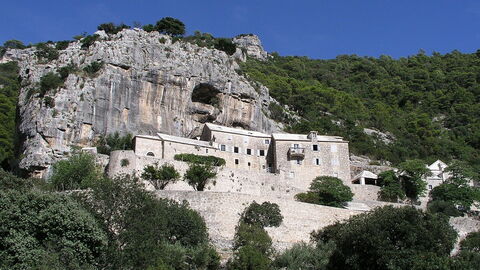
However, that is not all there is to the island. As a major site for quarrying stone since antiquity, it makes sense that the island is also home to some incredible works of manmade beauty too. Pretty traditional villages are to be found on the island, with the seaside village of Pučišća being especially noteworthy. However, the most famous architectural gem on Brač is likely the beautiful hermitage of Pustinja Blaca. One of several hermitages on the island, Pustinja Blaca is made from the glittering white limestone for which Brač is well-known and is set into a romantically craggy cliffside. A rather extraordinary sight to behold, it is a must-see for those who have found a vacation rental in Split and plan on taking the ferry over to explore Brač for the day.
However, that is not all there is to the island. As a major site for quarrying stone since antiquity, it makes sense that the island is also home to some incredible works of manmade beauty too. Pretty traditional villages are to be found on the island, with the seaside village of Pučišća being especially noteworthy. However, the most famous architectural gem on Brač is likely the beautiful hermitage of Pustinja Blaca. One of several hermitages on the island, Pustinja Blaca is made from the glittering white limestone for which Brač is well-known and is set into a romantically craggy cliffside. A rather extraordinary sight to behold, it is a must-see for those who have found a vacation rental in Split and plan on taking the ferry over to explore Brač for the day.
21
May
2019
2019
Posted in: Activities
Architectural Gems
Castles & Palaces
Curiosities
Hiking
Legends
Must See Attractions
Pretty Views
Tourist Attractions
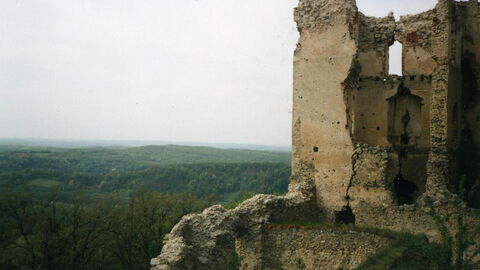
If you have found a vacation rental in Karlovac and are looking for a wonderful daytrip destination that combines a bit of a stretch of the legs, incredible views of the amazingly lush Croatian landscape in this part of the country, a stunning ruin of a historic architectural gem in an impressive setting, fascinating local legend and much more besides then you should head towards Ružica Grad. This medieval castle fortress is one of the largest in Croatia and is entangled in tales of fairies and noblemen but is also one of the most picture-perfect places in the country and a must-see for those in search of hidden gems that are far from mass tourism.
The actual origins of the building are not properly known but, per local legend, the area in which the castle is located used to be the meeting place of fairies and where magic potions were made. That is, until a nobleman decided to build a fortified city right on top of their meeting place. The fairies were very upset and used their magic to fight back, ruining whatever the workers had built during the day overnight.
The actual origins of the building are not properly known but, per local legend, the area in which the castle is located used to be the meeting place of fairies and where magic potions were made. That is, until a nobleman decided to build a fortified city right on top of their meeting place. The fairies were very upset and used their magic to fight back, ruining whatever the workers had built during the day overnight.