Archive for 'Museums & Galleries in Croatia'


Villa Angiolina
Croatia is a famously popular holiday destination, particularly for those in search of sun, sea, and fun, as it has a long and incredibly beautiful coastline dotted by lots of amazing resorts and seaside towns. Many of these towns are slick and chic and filled with modern developments and villas but there are some older and more historic settlements among them. In particular, one of the most beautiful and intriguing seaside resorts is Opatija, which was a popular coastal getaway and fashionable resort in the 19th century and remains filled with stunning Habsburg-era villas to this day.

Opatija is a pretty and charming little gem that was in a bit of a decline for a long time but has been since revived in the last decade or so and now regularly draws a largely mature audience for its grand spa hotels, incredible location along the Adriatic, climate that supports pleasant weather for trips pretty much all throughout the year, and its famous Lungomare promenade that hugs the coast and offers wonderful views over the town and neighbouring islands. If you’re looking for peace, relaxation, a perfect seaside escape, and very pretty surroundings, a vacation rental in Opatija is an excellent idea.

During your time in Opatija, between swimming in little bays (as there aren’t real beaches to speak of), wandering the promenade, dining in the city’s brilliant restaurants, watching the sun set over the coast, and generally just kicking back and relaxing, you should probably head to the Villa Angiolina at some stage, which is the Croatian Museum of Tourism and the only traditional tourist attraction to speak of in the town.     Read More


Froggyland, classroom scene
There are museums around the world that host some of the most famous and beloved works of art, those that exhibit items from throughout the history and progress of mankind, those that showcase the lives of famous figures, others that explore the objects we wear, use and interact with, and then there are some rather more unique institutions. One such museum is Froggyland in Croatia's beautiful seaside resort town of Split, which features over 500 stuffed frogs, that have been arranged into various amusing little scenes from classroom settings to a blacksmith's shop.

Described by one visitor as “ribbiting” and known to have delighted many others who accidentally stumbled across it, it is a whimsical and bizarre space that is sure to delight and surprise people of all ages. If you have found a vacation rental in Split, it is a definite must-see.     Read More


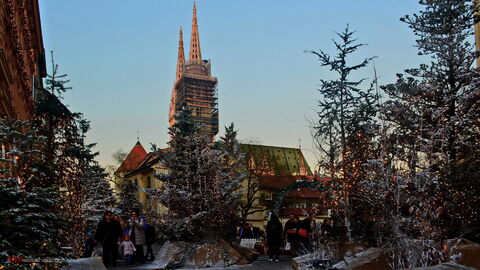
Zagreb at Christmas
Croatia is an already beloved and an increasingly popular summer holiday destination but it is also a wonderful destination for an Autumn or Winter break. With stunning landscapes painted burned hues in Autumn, seaside resorts that are still enjoyable relatively late into the year, towns that twinkle with Christmas lights in winter, small tourist crowds after the Summer, and all sorts of seasonal events, there are plenty of reasons to plan an off-season getaway in Croatia.

Here are more excellent things about visiting Croatia in Autumn or Winter...     Read More


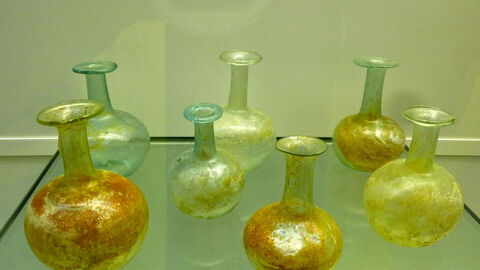
Glass bottles, Museum of Ancient Glass
Zadar, a stunning city and seaside resort town on the Dalmatian Coast of Croatia, is a beautiful gem that is full of unique attractions, history, culture and things to see and do. One of the most interesting attractions - and a perfect place to nip into for some peace and to take a break from the sun – has to be the Museum of Ancient Glass. Just find a holiday rental in Zadar and plan a sunny getaway filled with intrigue, surprises and special attractions around every corner.     Read More


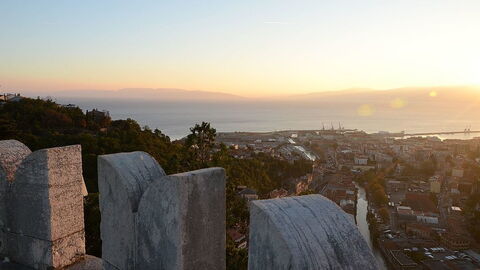
Sunset
If you have found a vacation rental in the charming Croatian city of Rijeka, then you're likely not going to miss the Trsat Castle as it is perched in a strategic position high above the city. Boasting an amazing view over the surrounding area, it is one of the oldest fortifications on the Croatian coast a well-preserved medieval gem and also a recreation area, historical monument and pilgrimage site, all rolled into one.

The castle is first recorded when it was mentioned as a parochial centre in 1288, though the site had been known as an observation post since prehistoric times and was important for the Romans to establish their defence system, the so-called Liburnian limes. The present structure was built by the Frankopan dukes of Krk but it has been altered over the years, the latest changes being made in 1824 under Irish-born count Laval Nugent, a commander in the Austrian army, who bought the castle and restored in a romantic neoclassical Biedermeier style.     Read More