Town
Posted in: Architectural Gems Curiosities Museums & Galleries Parks & Gardens Pretty Views Tourist Attractions
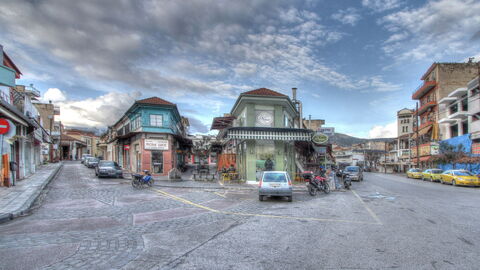
Drama is a town and the capital of a prefecture of the same name that has “drama” in the name but not in the atmosphere. It is a stunning area of natural beauty located on the north-eastern edge of Greece that is made up of endless plains, mountains, a sprinkling of ski resorts, lush forests of firs, oaks, beeches and pines, burbling streams and rivers, and fields of colourful flowers. Idyllic, unpretentious, authentic and pretty, it is a lesser-known gem in Greece.

If you have found a vacation rental in Central Macedonia, why not come explore this charming area for yourself?

In the winter, the area is perfect for those interested in skiing, snowboarding and other winter sports, though the idea of Greece and snow may seem incongruous to some! There are several resorts where you can spend days out on the snow and evenings warming up to local hospitality and tasty dishes like their famous potatoes and soutzoukakia, skewered spicy meatballs.
Shell
Posted in: Beaches Curiosities Must See Attractions Tourist Attractions
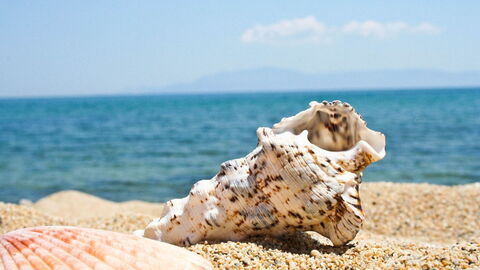
Kavala is a lesser-known city in the north of Greece that makes for an excellent holiday destination for many reasons but one in particular: its beaches. Numerous and truly exceptional, the beaches of Kavala are reason enough to come discover the city. Browse our vacation rentals in Central Macedonia and you can explore them for yourself.

The many beaches of Kavala boast near unparalleled beauty, spreading one after the other along the coast, with exceptional water quality and incredible scenery, presenting the most extraordinary sights as the endless, perfect blues of sky and sea collide and meet golden sands. Here are just some of the best ones to visit!

Rapsani

Practically in the centre of Kavala, this municipal beach has been awarded “blue flag” every year since 2009, has no admission fee and boasts a nice selection of taverns and cafeterias to choose from nearby.
Posted in: Architectural Gems Castles & Palaces Curiosities Must See Attractions Tourist Attractions


Those who are looking for a villa in Greece or a vacation rental in Peloponnese, in particular, might be seeking out things to see and do in the area. If you're one of those people and if you're fond of bizarre and unusual things, then you might want to seek out the amazing Castle of Agrilis.

Located on the Western coast of Greece, this tacky and striking colourful gem was built in the 1960s by an American-born doctor of Greek descent, Harry Fournier. After making his money as a surgeon in Chicago, he retired to his family's homeland and later decided that he wanted to leave his mark on the city from which his kin came.
Akrotiri
Posted in: Curiosities History Must See Attractions Tourist Attractions
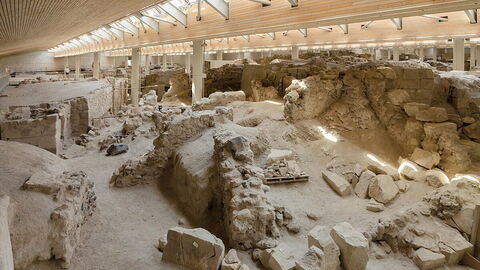
There is absolutely no lack of ruins or archaeological gems all across Greece. No matter where you go, it feels like you can't help but practically trip over history. However, if you find a vacation rental in South Aegean and are exploring the island, there is one archaeological and historic attraction that you simply must check out.

Tucked away at the southern tip of Santorini, you will find Akrotiri, one of the Bronze age’s most incredible ruins and sophisticated ancient settlements. Like Pompeii, this prosperous Minoan town was literally stalled in its tracks by a giant volcanic eruption and is remarkably well-preserved, as a result. Frozen in time, it is an extraordinary sight to behold.
Bourtzi
Posted in: Castles & Palaces Curiosities Tourist Attractions
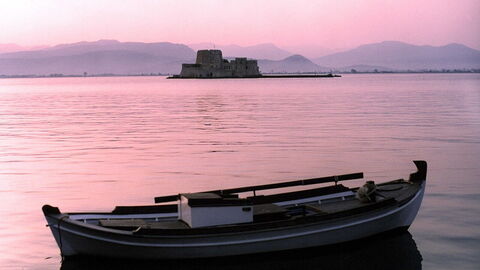
Bourtzi is an island fort, located off the coast of Nafplio, in Greece. It is an incredibly imposing structure that was originally part of the city's defenses, connected to the mainland by thick chain walls to prevent enemy ships from docking or getting close.

Built by the Venetians in the 15th century once they realised the strategic importance of this small and unassuming island, located right by the port of Nafplio, it is on an imperfect hexagon plan that matches the shape of the island itself. Perfectly in tune with its setting, it is a picturesque and extraordinary building.

Pirates were, initially, the primary concern but it was to the Ottoman Turks that the fortress fell in 1715. Once in control, they fortified the building further and dropped big rocks into the waters nearby, ensuring that no ships or big boats could get close.